


A Perfect Smile, Joan's Reconstructive Journey
A 68-year-old woman came to our office with broken teeth and a damaged veneer. She wanted her teeth to look longer, whiter, and prevent further chipping.

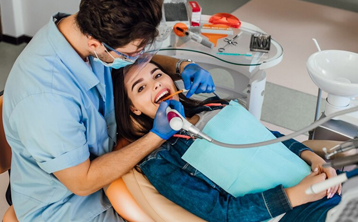
Dental emergencies can have many causes, including accidents, sports-related injuries, tooth decay and infection.
You may have a dental emergency if you have any of the following:
NOTE: If you have trouble breathing or your mouth continuously fills with blood, call 9-1-1 or go to your nearest hospital emergency department.
All dentists in B.C. are required to provide patients with emergency dental care when the need arises. If a dentist is unavailable, he or she is expected to make other arrangements so that a dentist on call or another service can help patients in need. It is important that you, or someone with you, provide the dentist with an accurate description of your problem, including whether you have had any recent dental work done.
Once the dentist reviews your situation over the phone, he or she may meet you right away or see you as soon as possible during regular office hours. He or she may also refer you to another dentist or to your local hospital if appropriate.
The dentist may tell you things you can do at home to help ease your symptoms and may also prescribe medication by phone. It is important to follow the instructions given to you.
Patients can also contact Healthlink BC by visiting www.HealthlinkBC.ca online or by phoning 8-1-1. This 24-hour-a-day service gives you easy access to non-emergency health and dental information and services. You will be able to speak to a registered nurse about your symptoms, get more details about your condition or speak to a pharmacist about your medication questions.
Not all dental emergencies can be prevented but you can take steps to reduce problems that can lead to an emergency.
Ref: Sponsored by The College of Dental Surgeons of BC, and the British Columbia Dental Association